 111
111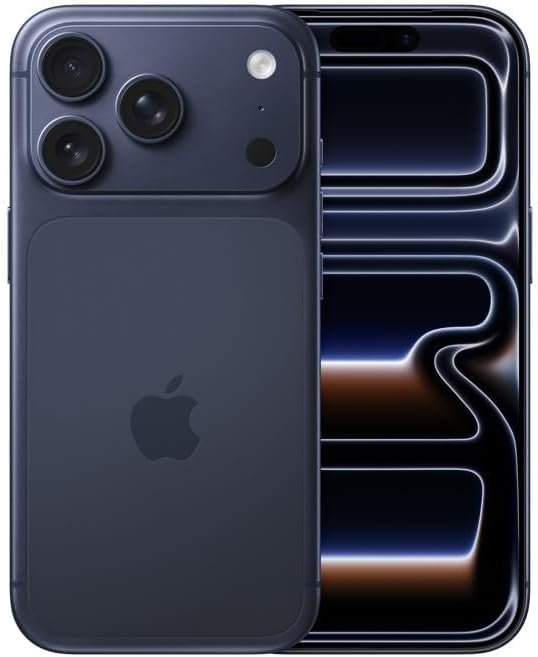 2
2 3
3
The landscape of premium smartphones moves rapidly, introducing continuous iterations of computational power, optical engineering, and material design. For those tracking these advancements, the Apple iPhone 16 Pro (US Version, 256GB, Desert Titanium) Unlocked (Renewed Premium) presents a notable intersection of advanced engineering and secondary market value.
Rather than standard second-hand inventory, devices qualifying under specific tier-one renewal standards undergo exact diagnostic and restoration parameters. This extensive guide breaks down the physical, internal, and structural attributes of this specific configuration, alongside the specific parameters that govern its certified premium tiering.
Understanding the foundational hardware provides a clear baseline for evaluating the operational capacity of the iPhone 16 Pro.
| System Attribute | Technical Metric |
| Processor Architecture | Apple A18 Pro (3nm lithography process) |
| CPU Configuration | Hexa-core (2 performance cores + 4 efficiency cores) |
| Graphics Engine | 6-core specialized GPU |
| Machine Learning Hardware | 16-core Neural Engine (35 TOPS compute bandwidth) |
| System Memory | 8GB LPDDR5X RAM |
| Storage Capacity | 256GB NVMe solid-state storage |
| Physical Dimensions | 149.6 mm $\times$ 71.5 mm $\times$ 8.25 mm |
| Mass Displacement | 199 grams (7.03 ounces) |
The internal engine driving this device is built on an advanced 3-nanometer system-on-chip (SoC) infrastructure. The micro-architectural layout allocates demanding tasks to the high-frequency performance cores while relegating baseline operations to the efficiency cluster. This targeted task delegation manages thermal generation and limits idle power consumption.
The onboard 16-core Neural Engine operates at a capacity of 35 trillion operations per second (TOPS), establishing the computational foundation required for native machine learning tasks, context-aware processing, and on-device natural language handling. Simultaneously, the 6-core GPU integrates hardware-accelerated ray tracing, allowing the device to render complex light behaviors and shadow dynamic maps natively within complex applications.
The structural frame utilizes Grade 5 Titanium (Ti-6Al-4V) metallurgically bonded to an internal aluminum substructure using solid-state diffusion. Titanium features an exceptionally high strength-to-weight ratio, allowing this device to withstand structural torsion and direct impacts better than previous stainless-steel generations, while keeping its overall mass at 199 grams.
The specific Desert Titanium finish is achieved through a controlled, high-durability physical vapor deposition (PVD) coating process. This finish provides a refined, desaturated gold-bronze hue that shifts subtly depending on the angle of incident light. The micro-blasted matte texture on the titanium band helps minimize visible fingerprint oils and surface smudges, preserving its clean aesthetic during daily use.
The visual panel serves as the primary data interface, utilizing complex display layers optimized for color accuracy and fast response times.
┌────────────────────────────────────────────────────────┐
│               Super Retina XDR OLED                    │
│  [6.3-inch Diagonal Panel] [460 ppi Pixel Density]     │
├────────────────────────────────────────────────────────┤
│ Dynamic Island (Camera + Proximity TrueDepth Sensors)  │
├────────────────────────────────────────────────────────┤
│ ProMotion Variable Refresh Layer (1Hz to 120Hz)        │
└────────────────────────────────────────────────────────┘
The rear camera matrix utilizes three distinct optical lenses linked directly to the image signal processor (ISP) inside the A18 Pro chip.
Built around a high-density, second-generation sensor-shift optical image stabilization (OIS) platform. It operates with a 24mm equivalent focal length at an aperture of $f/1.78$. The sensor groups four neighboring pixels into one larger quad-pixel, combining high light capture with deep detail retention to deliver default 24MP exposures or full 48MP raw image files.
Features a wide 13mm equivalent focal length with a 120-degree horizontal field of view and an $f/2.2$ aperture. Armed with hybrid phase-detection autofocus (PDAF), this module can focus on subjects just centimeters from the lens cover, capture wide sweeping vistas, and record highly detailed macro close-ups.
Constructed using an intricate, space-saving folded tetraprism glass design that reflects light paths four times before hitting the sensor. It offers a 120mm equivalent focal length at an $f/2.8$ aperture. This lens system uses advanced 3D sensor-shift optical image stabilization to counteract micro-shakes along all three structural axes during high zoom operations.
The video subsystem supports 4K Dolby Vision capture at up to 120 frames per second (fps), allowing for smooth slow-motion footage without sacrificing color depth or dynamic range. Color metadata can be written directly into an uncompressed Log format utilizing the Academy Color Encoding System (ACES) standard, ensuring production-grade workflow compatibility.
Audio capture is driven by four studio-grade internal microphones that isolate sound frequencies based on directionality. The integrated Audio Mix software lets creators adjust background noise levels post-capture, switching between an “In-Frame” focus or a wider “Studio” acoustic mix.
As a designated US version, the wireless internal components are fine-tuned for high-speed connectivity across North American telecommunication networks.
The legacy Lightning port is replaced by a universal USB-C interface that adheres strictly to USB 3.2 Gen 2 protocols. This physical port enables data transfer speeds of up to 10 Gigabits per second (Gbps) via a compatible cable, allowing creators to offload large 4K ProRes video files or output uncompressed video signals directly to external displays.
Selecting a device classified under the “Renewed Premium” tier distinguishes it clearly from typical used hardware options found elsewhere on the market.
  ┌────────────────────────────────────────────────────────┐
  │               Renewed Premium Standard                 │
  └───────────────────────────┬────────────────────────────┘
                              │
         ┌────────────────────┴────────────────────┐
         ▼                                         ▼
┌──────────────────┐                     ┌──────────────────┐
│ Cosmetic Quality │                     │ Functional Check │
│ Zero visible     │                     │ Battery exceeds  │
│ imperfections at │                     │ 90% capacity;    │
│ 12-inch distance │                     │ full diagnostics │
└──────────────────┘                     └──────────────────┘
Products in this category undergo rigorous testing using automated diagnostic software to check hardware component timing, screen responsiveness, and wireless signal strength.
Every Renewed Premium phone is backed by a comprehensive 1-year commercial satisfaction guarantee. If a hardware defect or unexpected component failure happens within 365 days of delivery, the buyer is entitled to a replacement unit or a full refund via the platform’s support framework. The package includes certified brand-compatible charging accessories securely packed inside fresh, damage-resistant boxes.
To see where this specific 256GB Desert Titanium model stands relative to alternative choices, consider the following structural comparison:
| Technical Variable | 16 Pro 256GB Renewed Premium | 16 Pro 128GB Base Model | 15 Pro 256GB Prior Generation |
| Available Storage | 256GB (Optimal for high-res video) | 128GB (Fills up quickly) | 256GB |
| Processor Platform | A18 Pro (3nm node) | A18 Pro (3nm node) | A17 Pro (Older 3nm process) |
| Optical Zoom Range | 5x True Optical Zoom | 5x True Optical Zoom | Limited to 3x Optical Zoom |
| Ultra Wide Resolution | 48 Megapixels | 48 Megapixels | 12 Megapixels |
| Warranty Window | 365-Day Premium Guarantee | Varies by seller tier | Typically 90 days standard |
While a 128GB configuration serves well for entry-level use, choosing 256GB provides essential breathing room for modern media demands. A single minute of 4K video shot at 120fps in Dolby Vision consumes massive amounts of storage space. Furthermore, on-device machine learning models require dedicated local storage blocks to operate efficiently, making the 256GB variant a strategic choice for longevity.
Analyzing specific use cases reveals how this combination of hardware and software functions across different workflows.
For videographers and content creators, the combination of a high-speed USB-C 3.2 port and 256GB of internal space allows the device to fit seamlessly into professional setups. Users can capture video footage directly onto external solid-state drives in real-time. The updated 48MP Ultra Wide lens captures high-resolution architectural shots and landscape views, while the upgraded 5x Telephoto lens pulls in crisp details from far away without digital noise.
[4K 120fps Video Capture] ──> [A18 Pro ISP Processing] ──> [256GB High-Speed NVMe Storage]
                                            │
                                            └──> [Optional Direct USB-C 10Gbps Export]
The device handles demanding multitasking workloads with ease thanks to its 8GB of LPDDR5X RAM and the low-latency processing layout of the A18 Pro chip. Massive data sheets, secure communication apps, and complex web pages load instantly and stay in memory without reloading. Full network support for the US carrier ecosystem ensures reliable cellular connections during travel.
The 6-core GPU provides excellent sustained performance for intensive 3D mobile games. By utilizing hardware-accelerated ray tracing, it handles complex visual elements like realistic water reflections and dynamic shadows smoothly. The variable ProMotion display keeps gameplay responsive by shifting up to 120Hz during fast motion, then scales down during menu screens to protect battery life.
To keep a Renewed Premium device operating at peak efficiency over a multi-year lifespan, consider these hardware practices: