 111
111 2
2 3
3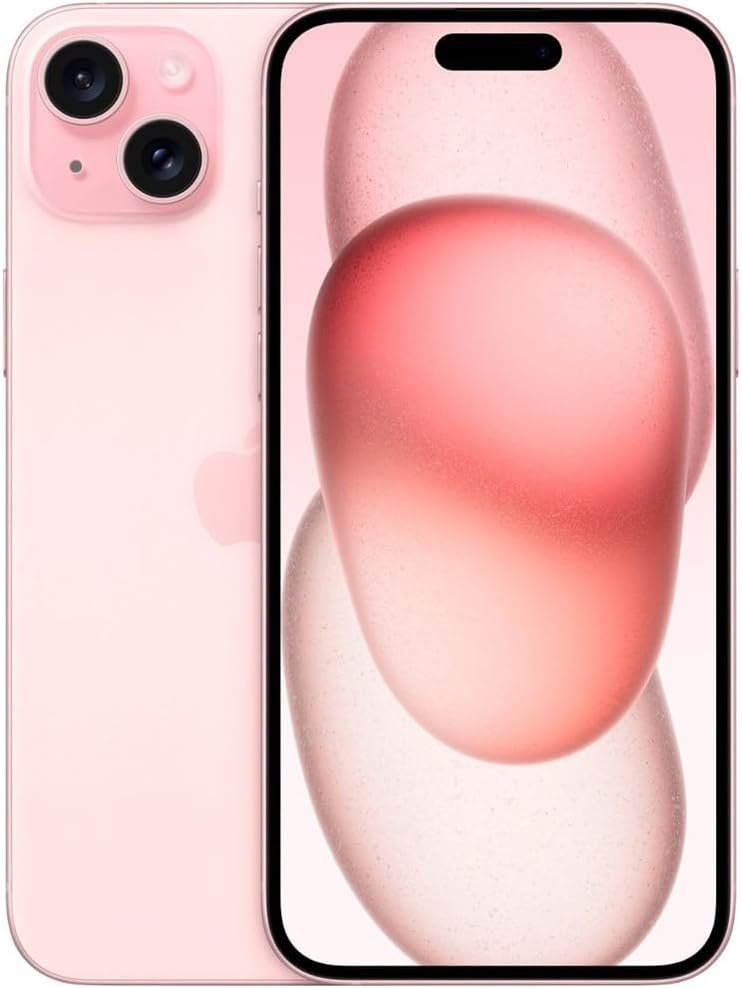
The smartphone landscape continues to refine itself around balanced functionality, long-term software support, and intentional hardware engineering. The Apple iPhone 15 (128GB, Pink) in its “Unlocked Renewed” state stands as a prime illustration of this market trajectory. Rather than choosing between the financial premium of brand-new flagship devices or the hardware compromises of entry-level alternatives, this specific product path offers a sustainable, thoroughly tested structural standard.
Evaluating a renewed flagship smartphone requires examining its physical infrastructure, the computational capabilities of its internal silicon, the flexibility of carrier-agnostic unlocked hardware, and what the “Renewed” classification means for device longevity. This technical breakdown explores the design, imaging engines, security framework, and daily utility of this 6.1-inch device.
The design language of the standard iPhone 15 iteration introduces structural adjustments that directly affect everyday ergonomics and device durability. Shifting away from the hard, sharp right angles seen in previous generations, this model features refined, contoured edges on its aerospace-grade aluminum enclosure. This slight rounding creates a smoother physical transition between the side rails and the glass panel, distributing weight more evenly across the palm.
+-------------------------------------------------------------+
|               iPhone 15 Material Layering                   |
+-------------------------------------------------------------+
| [Ceramic Shield Glass] -> Front High-Impact Protection       |
| [Aerospace Aluminum]   -> Structural Contoured Frame Core   |
| [Color-Infused Matrix] -> Mass-Tinted Back Glass Substrate  |
+-------------------------------------------------------------+
The visual identity of the Pink colorway is achieved through an innovative structural manufacturing approach. Instead of applying a topical colored film or paint layer underneath the surface, the material undergoes an intensive dual ion-exchange process where specialized formulation color is infused throughout the matrix of the back glass itself.
The removal of the static display notch marks a significant change in how hardware cutouts interact with modern mobile software. The iPhone 15 integrates the Dynamic Island across the full product family, transforming a physical screen cutout into a flexible, context-aware interface layer.
The Dynamic Island houses the TrueDepth camera system and Face ID biometrics within a condensed pill-shaped display cutout. Through dedicated pixels on the Super Retina XDR OLED panel, the iOS software system wraps context-sensitive graphics around the physical sensor array.
               [ Pill-Shaped Physical Camera Cutout ]
                                 │
     ┌───────────────────────────┴───────────────────────────┐
     ▼                                                       ▼
[System Alerts Mode]                               [Live Activities Mode]
- Incoming Call Expansion                          - Real-Time Flight Tracking
- Face ID Verification Ring                        - Media Playback Controls
- Charging Diagnostics                             - Active Timer Countdowns
Because the OLED panel turns off pixels completely to display true black, the physical glass cutout blends seamlessly into the software animations. This area expands, contracts, and splits into distinct visual components based on background system tasks, keeping critical information accessible without forcing you to switch away from your active application.
The optical capabilities of the 6.1-inch Super Retina XDR display provide precise color accuracy, high contrast ratios, and structural adaptations for reading text comfortably outdoors.
| Metric | Measured Value | Operational Condition |
| Typical Maximum Brightness | 1,000 nits | Standard manual use, high ambient room lighting |
| Peak HDR Output | 1,600 nits | Dynamic rendering of HDR10 & Dolby Vision assets |
| Outdoor Maximum Peak | 2,000 nits | Direct sunlight tracking, automated sensors active |
| Contrast Ratio Standard | 2,000,000:1 | True pitch-black level separation performance |
| Resolution Density | 460 ppi | 2556-by-1179 pixels layout accuracy |
The screen operates using a wide color gamut (P3) pipeline paired with True Tone color management technology. The True Tone engine uses dual multichannel ambient light sensors to read the color temperature of your surrounding environment. The display then subtly shifts its white balance to match, reducing eye strain during long reading sessions.
The OLED panel maintains crisp readability even under intense direct sunlight, avoiding the typical washed-out look that can plague less advanced smartphone displays.
Operating behind the display architecture is the Apple A16 Bionic system-on-chip (SoC). Built on a 4-nanometer manufacturing process node, this silicon platform balances performance and power efficiency to handle complex modern workflows smoothly.
The A16 Bionic uses a 6-core central processing unit configuration:
An integrated 5-core graphics processing unit (GPU) provides up to 50% more memory bandwidth than previous iterations, helping prevent stuttering during high-fidelity gaming or complex user-interface rendering pipelines.
Working alongside the GPU is a dedicated 16-core Neural Engine capable of executing up to 15.8 trillion operations per second. This specialized processor handles on-device machine learning tasks entirely locally—powering features like Live Text identification within photos, instant voice isolation filters during cellular calls, and complex multi-frame camera processing.
The camera layout of the iPhone 15 marks a substantial change in base-model hardware capabilities, shifting from older 12-megapixel arrays to an integrated high-resolution 48-megapixel primary camera engine.
+-----------------------------------------------------------------+
|               48MP Quad-Pixel Sensor Workflow                   |
+-----------------------------------------------------------------+
|  [Raw 48MP Light Input] -> Captures Fine Structural Details      |
|                                │                                |
|  ┌─────────────────────────────┴─────────────────────────────┐  |
|  ▼                                                           ▼  |
| [12MP Quad-Pixel Binning]                    [Full 48MP Resolution]  |
| - Optimizes low-light performance            - Maximum detail capture  |
| - Gathers deep light info                    - Ideal for cropping      |
|  └─────────────────────────────┬─────────────────────────────┘  |
|                                ▼                                |
|         [Photonic Engine Image Processing Pipeline]              |
|                                │                                |
|                                ▼                                |
|          [Final Form 24.0 Megapixel High-Detail Photo]          |
+-----------------------------------------------------------------+
The primary 48-megapixel sensor uses a quad-pixel arrangement. In low-light environments, the camera groups groups of four pixels into a single larger “super-pixel,” optimizing light collection and minimizing digital noise at the hardware layer.
The Photonic Engine then combines the light-gathering strengths of this pixel-binned array with the sharp, structural details of a full 48-megapixel exposure. The system blends these elements together to output a balanced, highly detailed 24-megapixel file by default, preserving deep image clarity without creating overly massive file sizes.
By leveraging the high pixel density of the 48-megapixel sensor, the iPhone 15 introduces an integrated 2x optical-quality zoom capability without requiring a dedicated third physical lens.
The system isolates the central 12 megapixels of the primary sensor to deliver a clean, un-interpolated 2x zoom photo at a 52mm equivalent focal length. This setup provides clean portrait framing and detailed shots at a distance, avoiding the digital blurring common in traditional software-based digital zooms.
| Camera Module | Resolution | Focal Length | Aperture Setup | Key Tech Assets |
| Main Wide Sensor | 48MP | 26 mm | ƒ/1.6 | Sensor-Shift OIS, 100% Focus Pixels |
| Virtual Zoom Mode | 12MP | 52 mm | ƒ/1.6 | Central Sensor Crop, Optical-Quality Output |
| Ultra Wide Sensor | 12MP | 13 mm | ƒ/2.4 | 120° Field of View, Panoramic Frame Tracking |
| TrueDepth Front | 12MP | 23 mm | ƒ/1.9 | Real-Time Phase Detection Autofocus |
The portrait processing system on the iPhone 15 no longer requires you to manually switch to a dedicated Portrait Mode prior to taking a shot.
When the camera detects a person, dog, or cat within the frame, it automatically captures deep spatial depth mapping data in the background. This lets you turn a standard snapshot into a portrait photo long after it’s taken, allowing you to adjust the blur intensity or shift the focus point between different subjects directly inside the native Photos app.
The inclusion of 128GB of internal storage serves as a versatile baseline for typical smartphone use. It provides plenty of room for core applications, extensive system caching, and thousands of high-resolution images.
The standard iPhone 15 ditches the older proprietary Lightning connector in favor of a universal USB-C connection architecture.
   [Universal USB-C Port Architecture]
                   │
    ┌──────────────┼──────────────┐
    ▼              ▼              ▼
[Charging]    [Data Out]     [Power Out]
- Mac Syncs    - 480 Mbps     - 4.5W Output
- Pad Cables   - DisplayPort  - Pods / Watch
This transition simplifies charging configurations across your devices. You can use the exact same USB-C cable to charge a Mac notebook, an iPad tablet, and the iPhone 15, reducing cable clutter in your workspace or travel bags.
The port features integrated DisplayPort support, allowing you to output video directly to external monitors up to 4K HDR resolutions. Additionally, the phone includes a reverse wired power delivery system, providing a 4.5W output to charge small peripheral accessories like AirPods or an Apple Watch directly from the phone’s battery.
Selecting a factory-unlocked variant offers practical advantages over carrier-subsidized models tied to strict multi-year finance contracts.
Navigating pre-owned mobile electronics requires a clear understanding of the vetting, reconditioning, and testing standards that separate verified renewed devices from unchecked second-hand hardware.
+-------------------------------------------------------------+
|             Verified Renewed Diagnostic Path                |
+-------------------------------------------------------------+
| [Visual Triage]     -> Surface Integrity & Lens Inspection  |
| [Hardware Scan]     -> Multi-Point Touch & Sensor Audits    |
| [Battery Analytics] -> Minimum 80% Peak Capacity Verification|
| [Sanitization]      -> Full Deep Clean & Memory Flash       |
+-------------------------------------------------------------+
A verified renewed device undergoes rigorous diagnostics before it is approved for sale:
For technical reference, network compliance checks, or deployment evaluation, the core component metrics of the Apple iPhone 15 128GB are detailed below:
+------------------------+--------------------------------------------------------------+
| Technical Field        | Component Matrix Specification                               |
+------------------------+--------------------------------------------------------------+
| Core Logic Processing  | Apple A16 Bionic (4nm process node, 6-Core layout)            |
| RAM Footprint          | 6GB LPDDR4X System Memory Architecture                       |
| Internal Storage Size  | 128GB Flash Memory Storage (NVMe Controller)                 |
| Screen Matrix          | 6.1" OLED Super Retina XDR (2556x1179 pixels at 460 ppi)     |
| Interactive Interface  | Dynamic Island System Interface Architecture                 |
| Primary Camera Lens    | 48 Megapixel Quad-Pixel Array (ƒ/1.6, Sensor-Shift OIS)      |
| Secondary Camera Lens  | 12 Megapixel Ultra Wide Optics Array (ƒ/2.4, 120° FOV)       |
| Front Facing Sensor    | 12 Megapixel TrueDepth Array (ƒ/1.9 with AutoFocus)          |
| Mobile Network Modem   | Qualcomm 5G Sub-6GHz and mmWave Bandwidth Array              |
| Interface Port Config  | USB-C Connector Port (Supports DisplayPort Video Output)     |
| Security Verification  | Face ID Facial Mapping via TrueDepth Projection Array        |
| Device Protection      | IP68 Dust/Water Ingress Resistance Rating (Max 6m / 30 min)   |
| Wireless Charging      | 15W MagSafe Wireless Support / Qi2 Compatibility Alignment   |
+------------------------+--------------------------------------------------------------+
Choosing a renewed, unlocked iPhone 15 128GB in Pink offers an efficient balance of modern smartphone technology and smart value. By combining high-resolution camera performance and a fast processor with the flexibility of an unlocked device, this model serves as a practical, reliable option for users looking for premium daily performance.